Reducing Water Usage Through Simple Home Maintenance Tasks
Want to lower your water bill and help the environment? These simple home maintenance tasks will help you reduce water usage without sacrificing performance.
Water conservation isn't just good for the planet—it’s great for your wallet, too. With growing concerns about drought and rising utility costs, homeowners have more reasons than ever to take control of their water usage. The good news? You don’t need to overhaul your entire plumbing system to make a difference.
Below are simple home maintenance tasks that can significantly reduce your household’s water consumption—without sacrificing comfort or cleanliness.
1. Check for and Fix Leaks
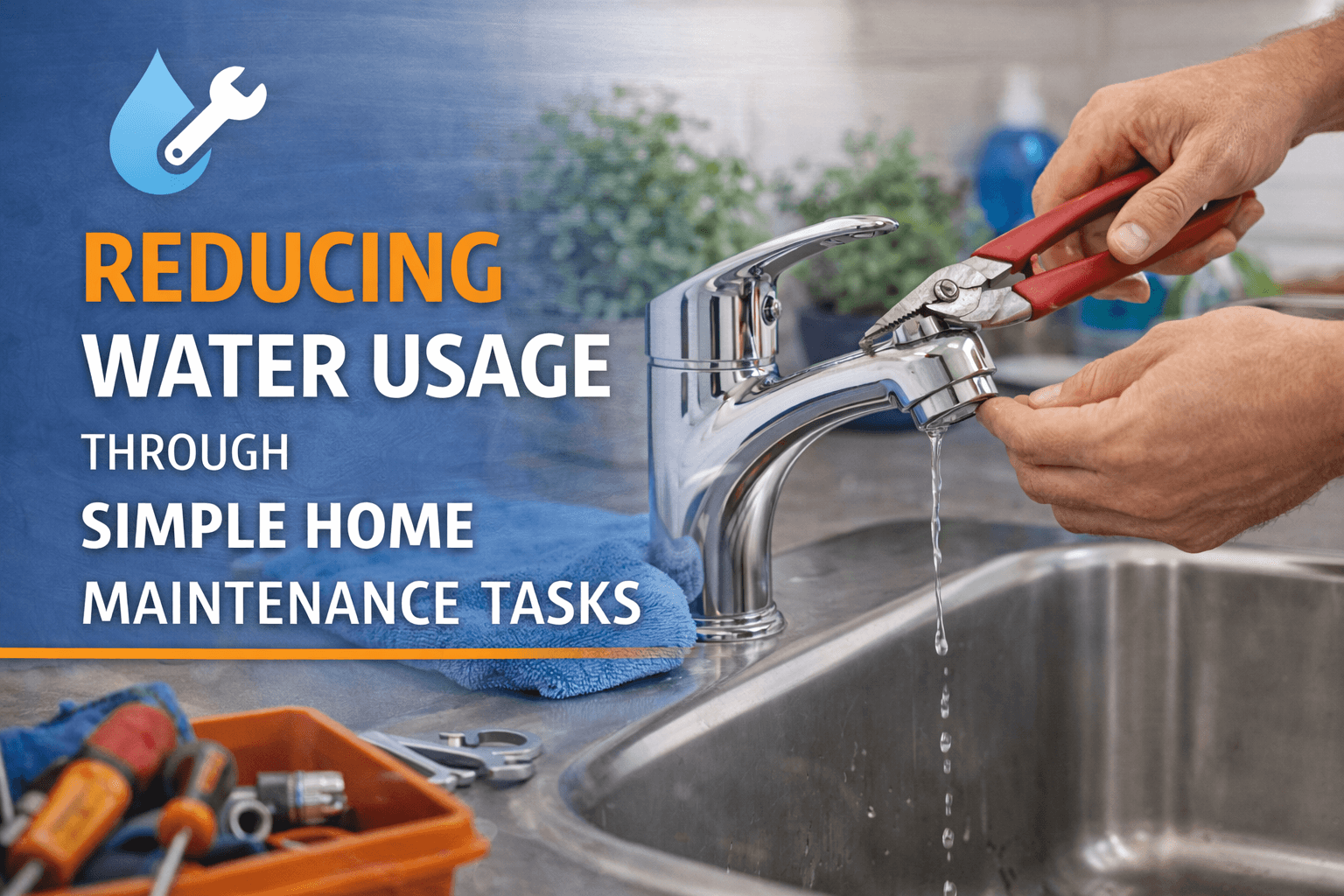
Small leaks = big waste. A dripping faucet can waste over 3,000 gallons a year, and a running toilet can use even more.
Inspect faucets, showerheads, and under-sink pipes monthly.
Use food coloring in your toilet tank—if the bowl changes color without flushing, you have a leak.
Replace worn washers, flappers, or valves to stop unnecessary waste.
2. Install Low-Flow Fixtures
Modern low-flow faucets, showerheads, and toilets use significantly less water without compromising performance.
Low-flow showerheads: Use as little as 1.5 gallons per minute (gpm), compared to older models that use over 5 gpm.
Dual-flush or low-flow toilets: Save up to 13,000 gallons per year for a family of four.
Check with your local utility company—rebates may be available for installing water-efficient fixtures.
3. Maintain Appliances for Peak Efficiency
Your dishwasher and washing machine can be big water wasters—especially if they’re old or malfunctioning.
Only run full loads.
Regularly clean filters and inspect for leaks.
Upgrade to ENERGY STAR-certified models, which use 40%–50% less water and energy.
4. Adjust Outdoor Irrigation
Lawn care can consume up to 50% of your home’s water usage.
Make your irrigation smarter:
Water early in the morning or after sunset to reduce evaporation.
Install drip irrigation instead of sprinklers for gardens.
Add a rain sensor or smart irrigation controller that adjusts automatically based on weather.
Also, routinely inspect sprinkler heads for leaks or misalignment.
5. Insulate Hot Water Pipes
Want this maintenance done for you?
Brickwise builds personalized schedules from your home inspection report — free for 14 days.
Insulating hot water lines means faster hot water delivery, reducing the need to run faucets while waiting.
Use foam pipe insulation (inexpensive and easy to install).
Focus on pipes under sinks, near water heaters, or in crawl spaces.
6. Use Rainwater Collection (Where Allowed)
A rain barrel system lets you collect and store roof runoff for non-potable uses like watering gardens and cleaning.
Make sure it’s legal in your area.
Use screens to keep out debris and mosquitoes.
Collected water reduces strain on municipal supply and lowers your bill.
7. Educate the Household
Conservation is a team effort:
Teach kids to turn off taps while brushing teeth.
Limit showers to under 5 minutes.
Use a dishwasher instead of handwashing—modern dishwashers are more efficient than washing by hand!
8. Service Your Water Heater
A poorly maintained water heater can waste both energy and water.
Drain and flush it once a year to remove sediment buildup.
Set the thermostat to 120°F—hot enough for comfort, but not wasteful.
Consider upgrading to a tankless or hybrid water heater for long-term efficiency gains.
Final Thoughts
Reducing your home’s water usage doesn’t require major investments or complicated retrofits. Small changes and regular maintenance can go a long way toward saving water, energy, and money. By staying proactive, you’ll help the environment and enjoy lower utility bills—all while keeping your home running smoothly.
Turn this checklist into a personalized maintenance plan
Brickwise turns your home inspection report into a custom maintenance schedule with due dates, cost estimates, and DIY-vs-pro recommendations. Free for 14 days, no credit card required.