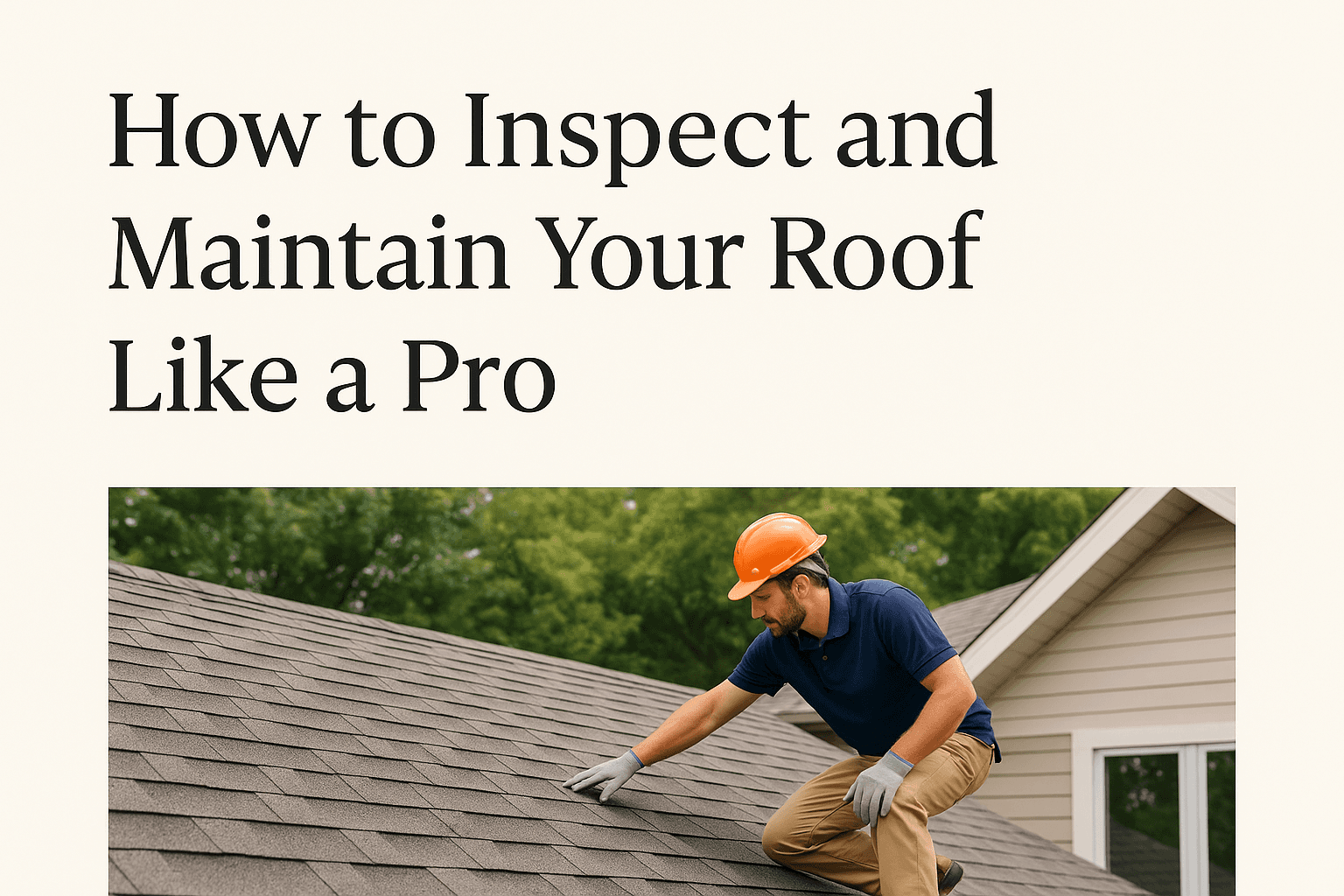
How to Inspect and Maintain Your Roof Like a Pro
A healthy roof means a healthy home. Learn how to inspect and maintain your roof like a pro—spot issues early, prevent leaks, and extend your roof’s lifespan.
Your roof is one of the most important components of your home’s structure—and often one of the most neglected. Without regular inspections and maintenance, small roofing problems can turn into costly repairs. Whether you're a DIY enthusiast or just want to stay ahead of issues, learning how to inspect and maintain your roof like a pro can protect your investment and extend your roof’s lifespan.
Why Roof Maintenance Matters
A well-maintained roof:
Prevents water damage and mold
Enhances energy efficiency
Increases home value
Reduces costly emergency repairs
Extends roof lifespan by years
Neglecting routine roof care is one of the leading causes of premature roof failure. That’s why annual or semi-annual roof inspections should be a part of your home maintenance checklist.
Step-by-Step Guide to Inspecting Your Roof
1. Start With a Visual Inspection From the Ground
Use binoculars or your smartphone camera zoom to inspect the following from a safe distance:
Missing or damaged shingles
Sagging areas
Moss or algae growth
Rusted or damaged flashing
Debris buildup in valleys or gutters
2. Check the Attic for Signs of Leaks
From inside your attic, inspect:
Water stains on wood or insulation
Mold or mildew smells
Sunlight peeking through the roof boards
This can be your first sign of a leak before it’s visible inside your home.
3. Inspect Flashing and Seals
Pay close attention to areas around:
Chimneys
Skylights
Roof vents
Satellite dishes
Damaged flashing is a major source of leaks and should be sealed or replaced promptly.
4. Examine the Gutters and Downspouts
Want this maintenance done for you?
Brickwise builds personalized schedules from your home inspection report — free for 14 days.
Check that gutters:
Are securely fastened
Are free of clogs and debris
Properly channel water away from your home
Overflowing gutters can lead to roof rot, foundation issues, and landscape damage.
5. Look for Signs of Wear or Aging
Shingles that are curling, blistering, or losing granules are nearing the end of their life. If your roof is 20+ years old, it may be time to start planning for a replacement.
Roof Maintenance Tips to Prevent Problems
✅ Keep Gutters Clean
Clean gutters at least twice a year (spring and fall). This prevents water from backing up under shingles.
✅ Trim Overhanging Branches
Tree limbs can damage shingles and encourage moss growth. Trim them back to prevent roof wear and tear.
✅ Remove Moss and Algae
Use a roof-safe cleaner and soft brush to gently remove moss. Zinc or copper strips can help prevent regrowth.
✅ Seal and Caulk
Check and reseal areas around flashing, vents, and skylights as needed. Use high-quality, waterproof roof sealants.
✅ Schedule Professional Inspections
Even if you perform DIY checks, it’s smart to have a professional roofer inspect your roof every 2-3 years—or annually in areas with heavy snowfall, hail, or wind.
When to Call a Professional
Call a roofing contractor if you notice:
Persistent leaks or sagging
Widespread shingle damage
Storm damage
Signs of mold or rot in attic structures
Professional roofers can safely navigate steep slopes and identify issues you might miss.
Final Thoughts: Protecting Your Roof, Protecting Your Home
Your roof is your home’s first line of defense against the elements. With regular inspections and simple maintenance practices, you can catch issues early, reduce repair costs, and extend the life of your roof. Treat your roof like a pro this year—it’s one of the smartest home maintenance investments you can make.
Turn this checklist into a personalized maintenance plan
Brickwise turns your home inspection report into a custom maintenance schedule with due dates, cost estimates, and DIY-vs-pro recommendations. Free for 14 days, no credit card required.